It takes 21 days to build a habit. It takes 90 days of that habit to build a lifestyle
The neuro(brain)science of habit building revolves around the brain’s ability to form new neural pathways through repetition and reinforcement.

The neuroscience of habit building revolves around the brain’s ability to form new neural pathways through repetition and reinforcement. The widely cited principle that it takes 21 days to build a habit is based on the idea that consistent behavior over this period allows the brain to start automating the action, thus embedding it into our routine.
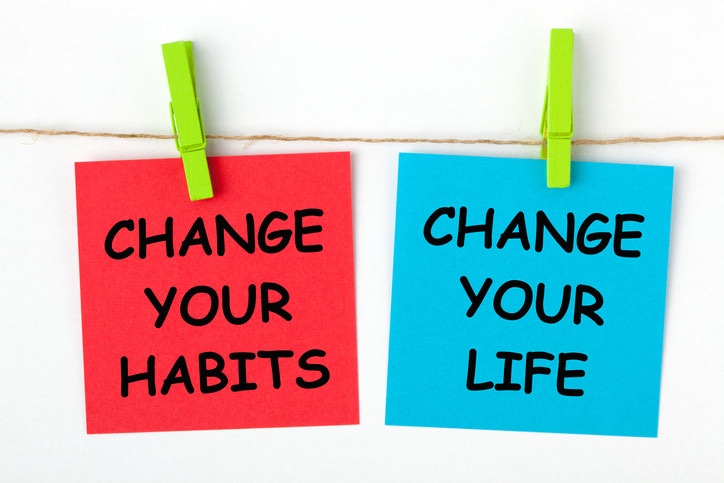
However, to transform a habit into a lifestyle, an extended period of around 90 days is often necessary. This longer duration ensures that the new behavior is deeply ingrained and integrated into one’s daily life.
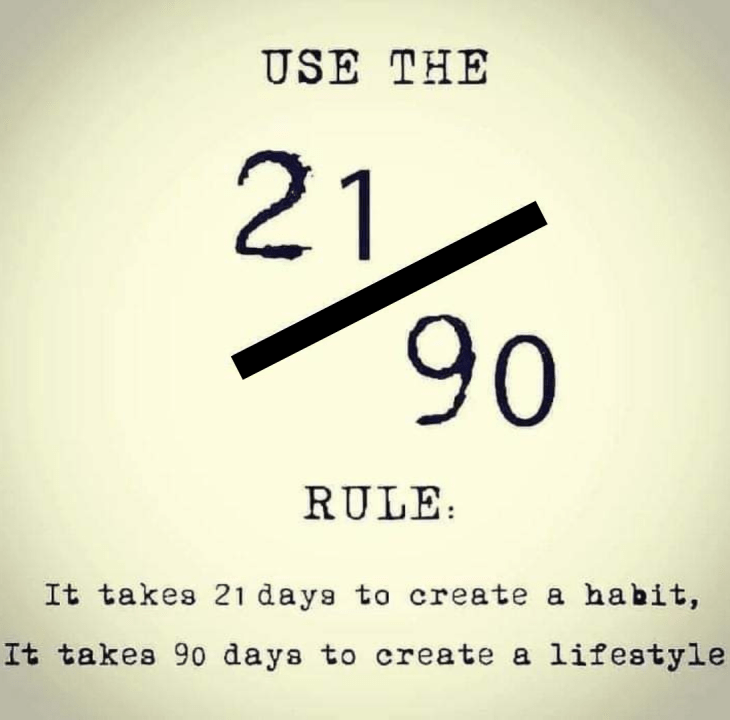
For instance, if someone decides to adopt a daily meditation practice, the first three weeks might involve deliberate effort and conscious reminders. But after consistently practicing for 90 days, this routine is likely to become a natural part of their day, requiring less conscious thought and effort. Similarly, adopting a new exercise routine or dietary change follows this pattern, where the initial 21 days are crucial for habit formation, and the subsequent 90 days cement it into a lifestyle.

This understanding is supported by research in neuroplasticity, which highlights the brain’s remarkable ability to reorganize itself by forming new connections, particularly when behaviors are repeated consistently over time.





References
- Duhigg, C. (2012). *The Power of Habit: Why We Do What We Do in Life and Business*. Random House.
- Clear, J. (2018). *Atomic Habits: An Easy & Proven Way to Build Good Habits & Break Bad Ones*. Penguin Random House.
- Kandel, E. R. (2006). *In Search of Memory: The Emergence of a New Science of Mind*. W.W. Norton & Company.
 HerBig Family Adventures