Catchy heading title
Short and interesting intro?
Alright, let’s talk about…
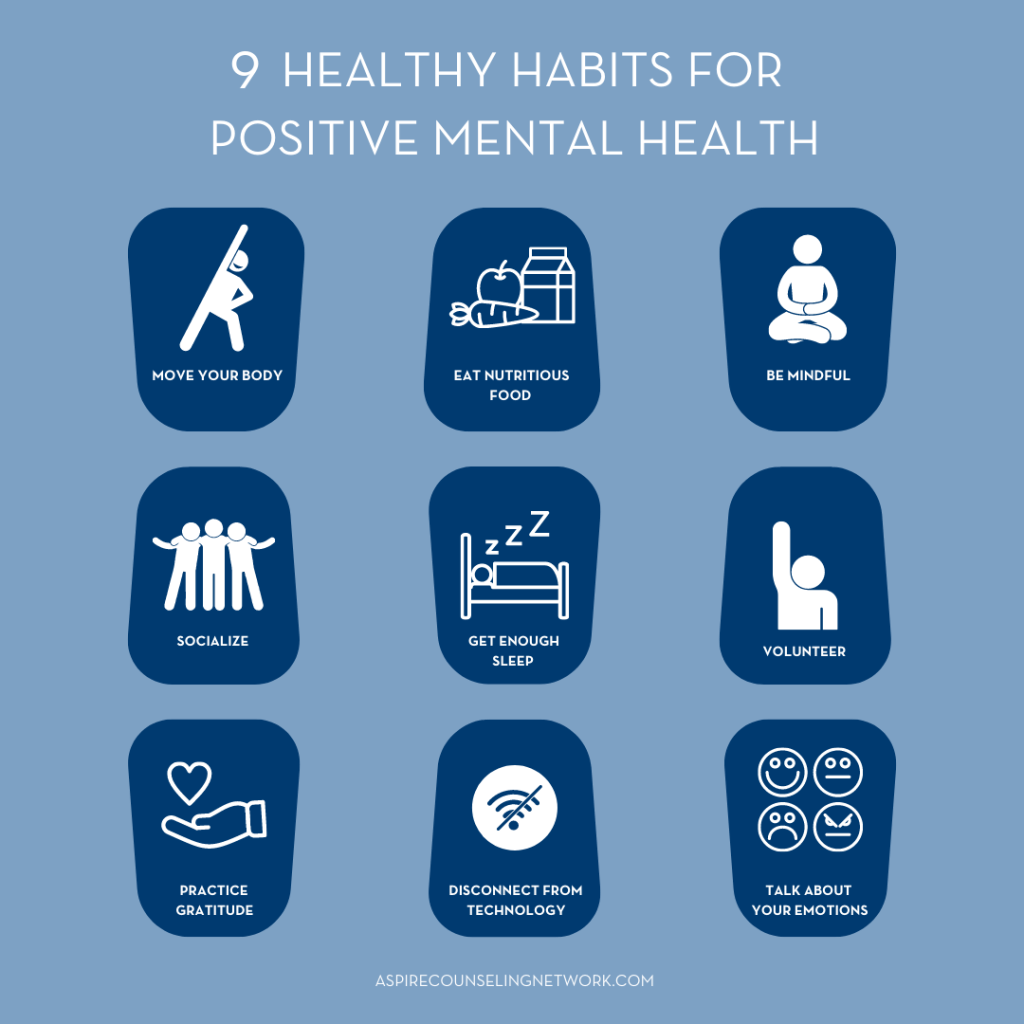
Why are healthy Habits Important?
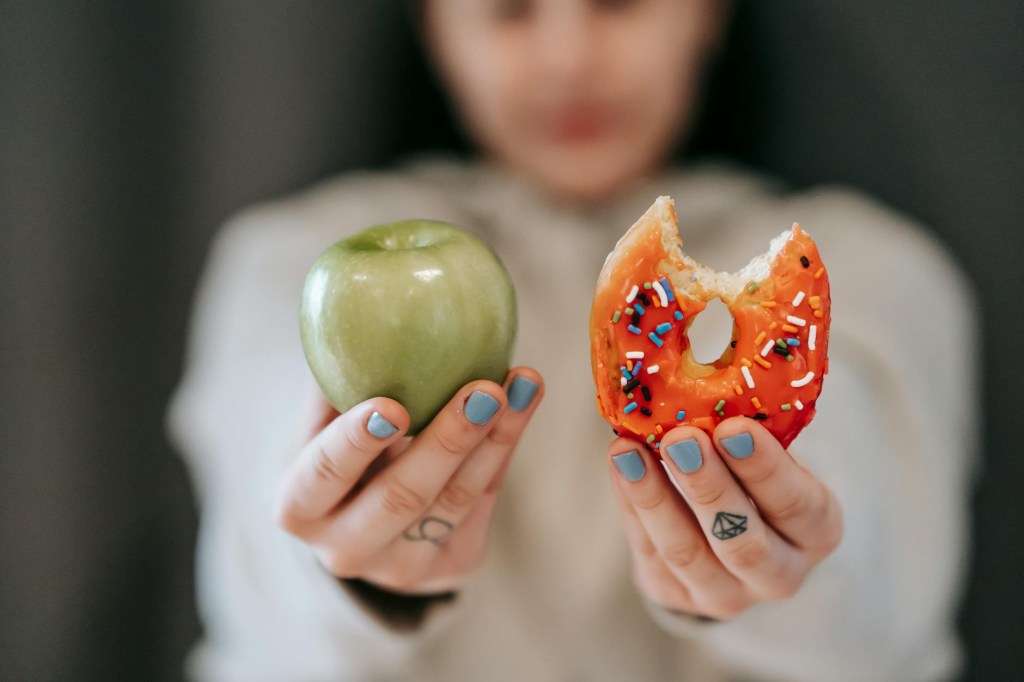
Habits shape our daily lives. Good habits can lead to better health, more productivity, and feeling happier. Bad habits, however, can cause health problems, make us less productive, and increase stress. Practicing good habits helps us live more effective lives.
How to Create and Manage Healthy Habits
- Start Small: Begin with easy habits. Instead of trying to exercise for an hour, start with 10 minutes a day and gradually do more.
- Identify Triggers: Find out what prompts your habits. For example, if you want to start reading, choose a specific time, like right before bed.
- Set Clear Goals: Know exactly what you want to achieve. Make your goals clear and reachable. SMART!
- Be Consistent: Do your habit at the same time and place every day. Consistency is the key for your brain.
- Reward Yourself: Give yourself a small reward after completing your habit, like a tasty treat after a workout, or well earned rest time.
- Track Progress: Keep a journal or use an app to see how well you’re doing.
Fun:
It can also be a lot of fun to start understanding how your brain works , and how to hack your own biological feedback system into helping you form and maintain a healthy habit structure.
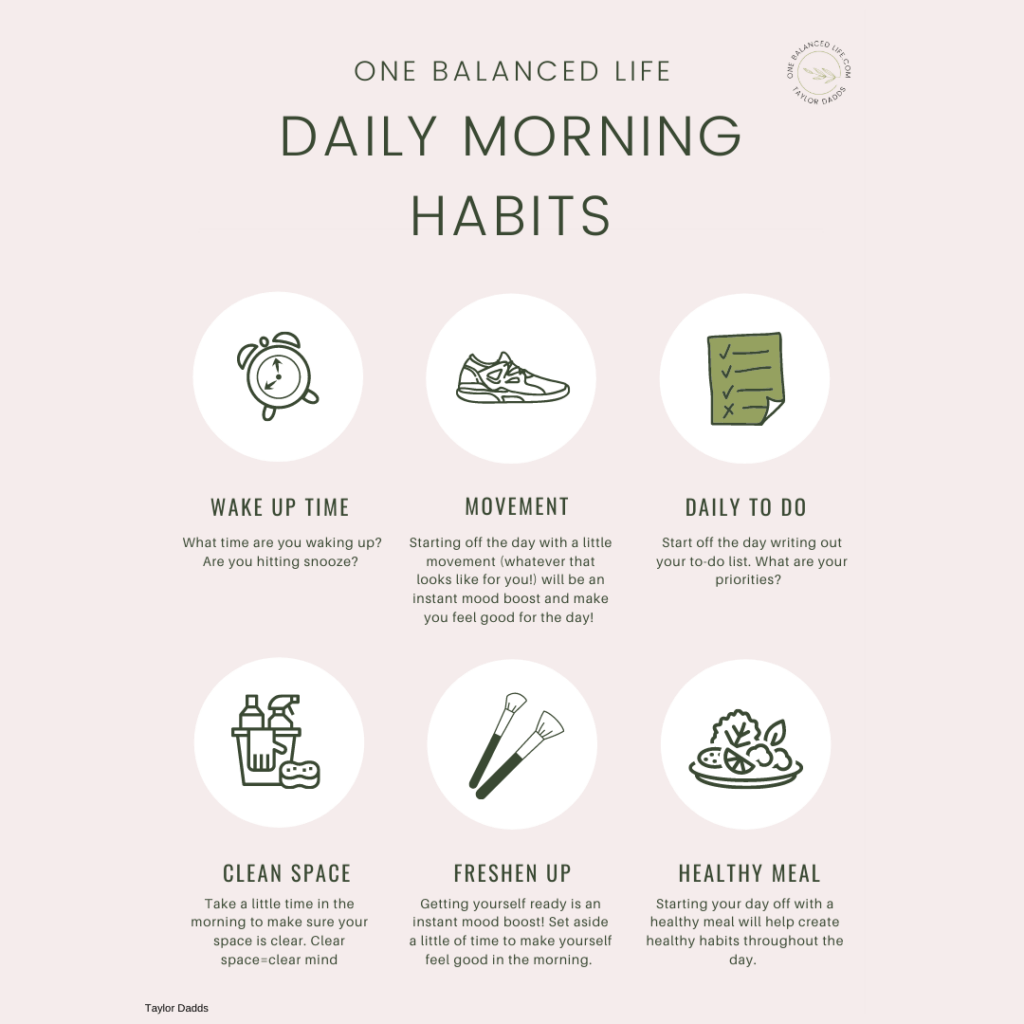
Latest research on the topic:
Healthy habits lead to positive changes in our lives. A study found that it takes about 21 days to form a new habit. This means being patient and consistent is key. Healthy habits can improve our health, happiness, and overall quality of life.
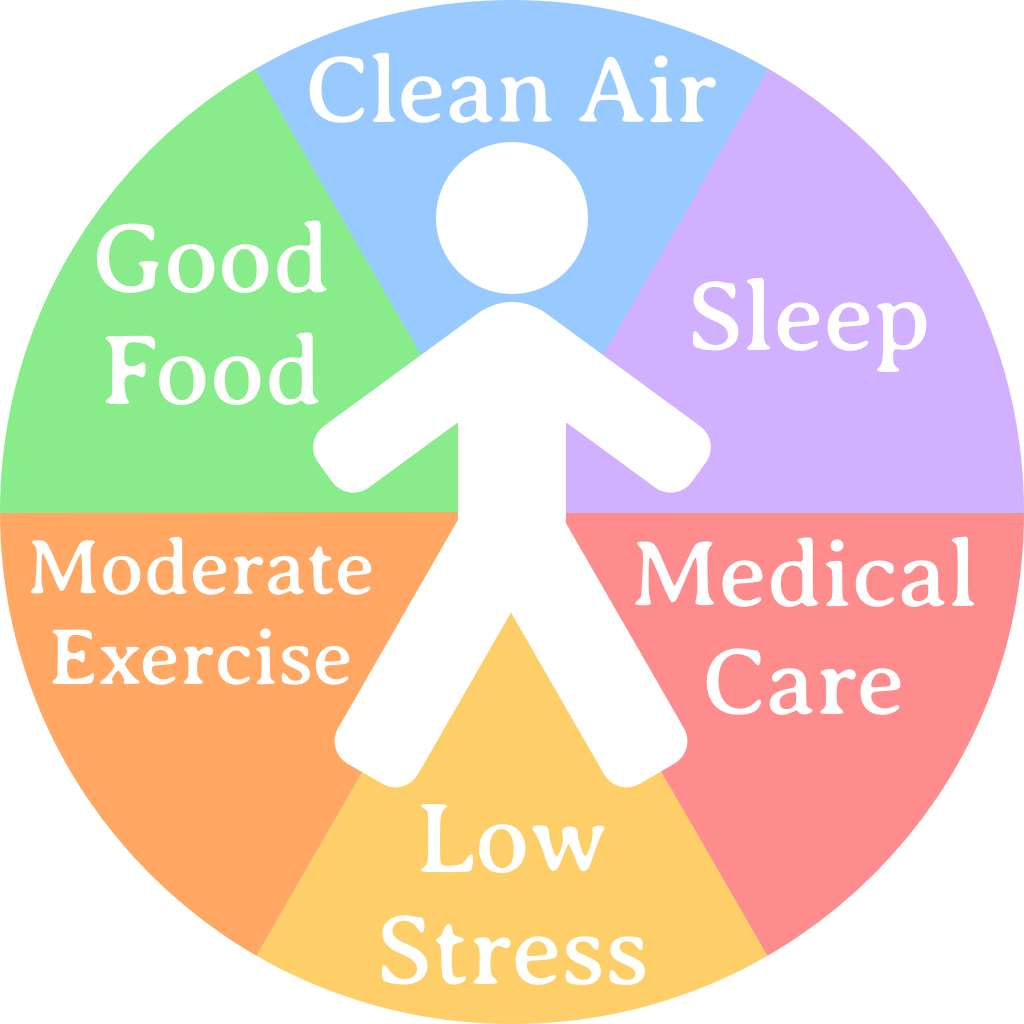
Real World Examples:
- James Clear: Author of “Atomic Habits,” James Clear shows how small changes can lead to big results. He suggests improving by just 1% each day.
- Charles Duhigg: In his book “The Power of Habit,” Duhigg explains how habits work and how we can change them by understanding the habit loop: cue, routine, and reward.
- BJ Fogg: A scientist at Stanford, Fogg created the Fogg Behavior Model. He teaches that small actions, called “tiny habits,” can help us change our behaviour and course of our lives.
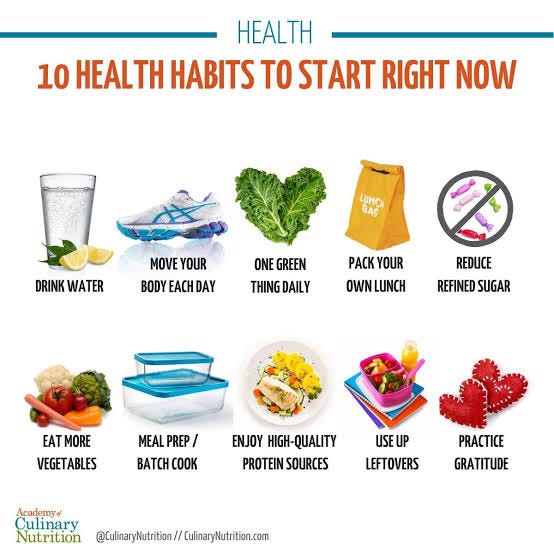
Practical Examples to start on:
- Exercise: Go for a short walk each day.
- Healthy Eating: Add one more vegetable to your meals / remove one or more chemicals from your diet
- Reading: Read a few pages of a book every day.
- Mindfulness: Spend a few minutes each day meditating or doing deep breathing exercises.
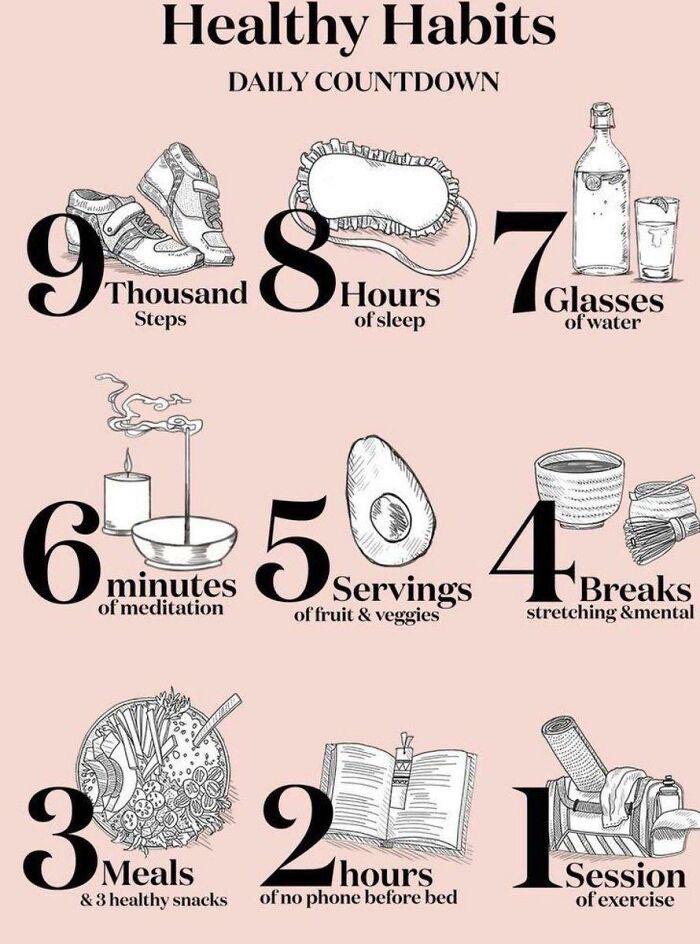
Conclusion
Habits are powerful. By starting small, staying consistent, and rewarding ourselves, we can form good habits that make our lives better. Experts like James Clear, Charles Duhigg, and BJ Fogg provide helpful advice on how to build and keep good habits. Focusing on healthy habits over bad ones helps us grow and improve our lives.


References
- Duhigg, Charles. “The Power of Habit: Why We Do What We Do in Life and Business.” Random House, 2012.
- Lally, Phillippa, et al. “How are habits formed: Modelling habit formation in the real world.” European Journal of Social Psychology, vol. 40, no. 6, 2010, pp. 998-1009.
- Clear, James. “Atomic Habits: An Easy & Proven Way to Build Good Habits & Break Bad Ones.” Avery, 2018.
- Fogg, BJ. “Tiny Habits: The Small Changes That Change Everything.” Houghton Mifflin Harcourt, 2019.
 HerBig Family Adventures